
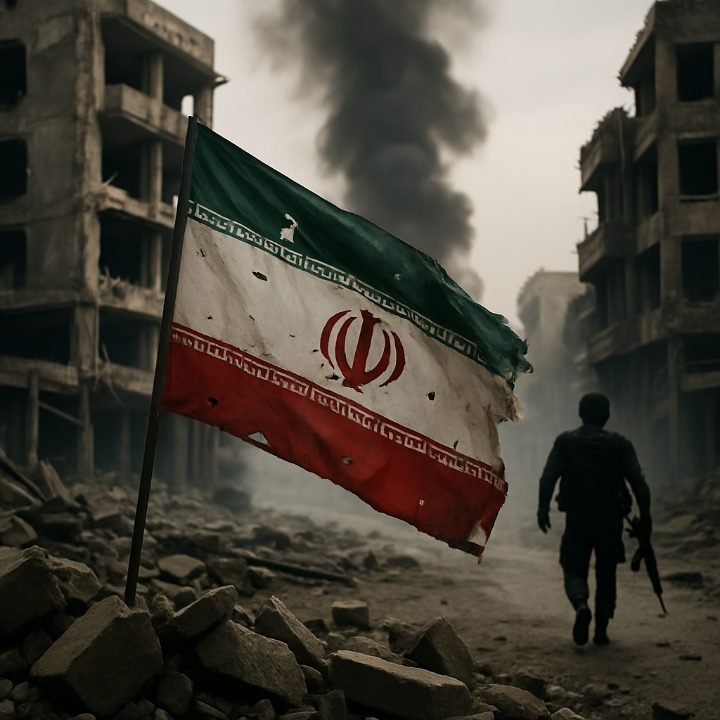
Renewed Conflict in Iran: Triggers, Key Players, and Broader Implications
The recent resurgence of conflict in Iran marks a significant moment in the country’s complex and often turbulent history. This escalation has drawn attention not only to the immediate triggers and actors involved but also to the potential ramifications for regional stability and international relations. Understanding the roots of this renewed violence requires a closer examination of Iran’s historical context, the factors that sparked the current tensions, and the broader economic and political consequences that may follow.
Historical Context: Foundations of Conflict in Iran
Iran’s modern history is characterized by periods of internal unrest and external pressures, shaped by its geopolitical position and diverse social fabric. Over the decades, the country has experienced various forms of political dissent, economic challenges, and social upheaval. These dynamics have often been influenced by the interplay between the government’s policies, opposition groups, and foreign interests.
The longstanding tensions within Iran have roots in political, ethnic, and ideological divisions, as well as in disputes over governance and civil liberties. Additionally, Iran’s strategic location and its role in regional politics have made it a focal point for broader geopolitical contests, further complicating its internal affairs.
Key Events Triggering the Recent Escalation
The latest surge in conflict can be traced to a series of pivotal events that heightened existing grievances and catalyzed new confrontations. While specific details vary, the escalation generally involves a combination of political dissent, security measures, and social unrest that have converged to destabilize certain regions within the country.
These events have often unfolded in the context of government responses to protests or opposition activities, which have sometimes led to heightened tensions between state forces and various groups. The cycle of action and reaction has contributed to an environment where conflict has intensified, affecting both urban centers and peripheral areas.
Main Actors Involved in the Conflict
The renewed violence involves a range of actors, each with distinct motivations and objectives. On one side, the Iranian government and its security apparatus play a central role in attempting to maintain control and suppress dissent. Their actions are aimed at preserving the existing political order and addressing perceived threats to national stability.
Opposing the government are various groups, which may include political activists, ethnic minorities, and other factions dissatisfied with the status quo. These actors seek changes ranging from greater political freedoms to autonomy or reforms in governance. The diversity of these groups reflects the multifaceted nature of the conflict and the underlying social and political issues at stake.
Regional and Global Implications
The implications of Iran’s renewed conflict extend beyond its borders, given the country’s influence in the Middle East and its relationships with global powers. Instability in Iran has the potential to affect regional security dynamics, including the balance of power among neighboring states and the broader geopolitical landscape.
Economic conditions may also be impacted, both within Iran and in the region. Disruptions caused by conflict can affect trade routes, energy markets, and investment climates, with ripple effects that reach international markets. The uncertainty generated by ongoing violence can deter economic development and exacerbate existing challenges.
On the diplomatic front, renewed conflict complicates international relations with Iran. It may influence negotiations on various issues, including nuclear agreements, sanctions, and regional cooperation. The responses of other countries to the situation in Iran will likely shape the trajectory of diplomatic engagements and the prospects for conflict resolution.
Potential Effects on Political Stability and Economic Conditions
The resurgence of violence poses significant risks to Iran’s political stability. Prolonged unrest can weaken governmental institutions, erode public trust, and intensify factional divisions. This environment may hinder efforts to implement reforms or pursue coherent policy agendas, thereby prolonging instability.
Economically, the conflict threatens to exacerbate existing difficulties. Iran’s economy has faced challenges related to sanctions, inflation, and unemployment. Renewed violence can disrupt economic activities, reduce investor confidence, and strain public resources. These factors collectively contribute to a more precarious economic situation, affecting the livelihoods of ordinary citizens.
Looking Ahead: Navigating a Complex Landscape
The recent escalation in Iran underscores the intricate and interconnected nature of its internal and external challenges. Addressing the root causes of conflict will require a multifaceted approach that considers political, social, and economic dimensions. Efforts to stabilize the country must balance security concerns with the need for dialogue and reform.
International actors will play a critical role in shaping outcomes, whether through diplomatic engagement, economic policies, or regional cooperation. The path forward remains uncertain, but the stakes are high for Iran and the broader region. Understanding the complexities of this renewed conflict is essential for informed analysis and effective response strategies.